
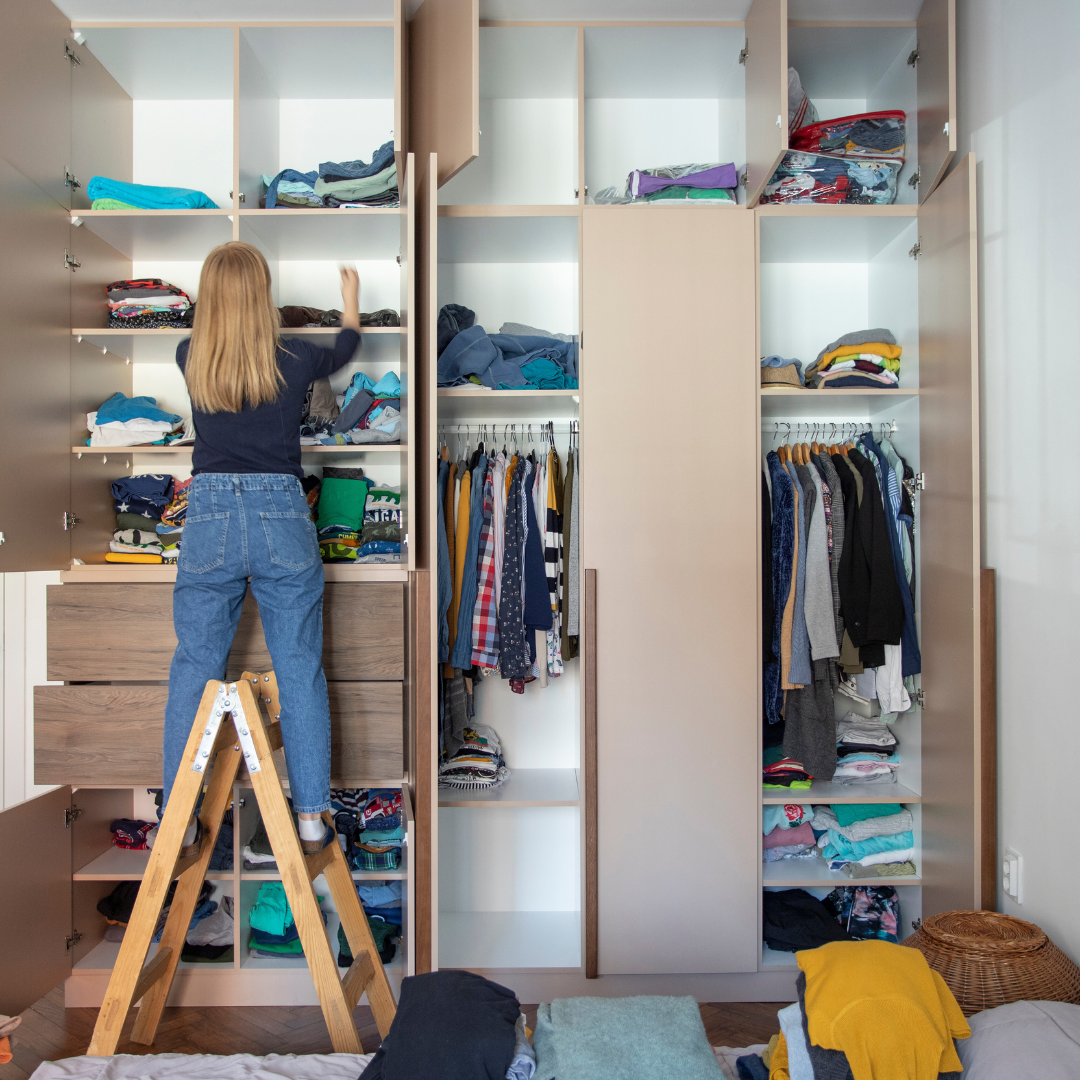

Maximizing closet storage starts with using every available inch efficiently. Investing in adjustable shelving, hanging organizers, and clear storage bins allows you to customize your closet to fit your specific needs. These tools help keep items accessible and visible, reducing clutter and wasted space.
Decluttering regularly also plays a crucial role in making the most of your closet. Prioritizing what to keep, donate, or discard frees up room and creates a more functional layout for the remaining items. Organizing by category or frequency of use further enhances ease of access and overall storage capacity.
Assessing Your Closet Space
Understanding the exact size and layout of your closet is crucial before adding storage solutions. Recognizing where current issues exist will help in selecting the right methods to optimize space.
Measuring Dimensions Accurately
Start by measuring the height, width, and depth of your closet using a tape measure. Measure from floor to ceiling and note any irregularities like shelves, rods, or built-in dividers.
Record these measurements clearly in a notebook or digital tool. Include the door swing area if it limits usable space. Knowing exact dimensions ensures storage units fit properly without wasted space or obstruction.
Measure twice to avoid errors. Taking measurements of wall surfaces and floor space helps in imagining what type of organizers or shelves can be installed.
Identifying Storage Challenges
Look for problem areas such as unused corners, narrow spaces, or awkward protrusions. Obstacles like heating vents or electrical outlets can reduce usable space and need to be factored in.
Determine if the closet lacks hanging space, drawers, or shelf depth. Consider seasonal items or bulky belongings that may require flexible storage options.
Identify if doors or lighting make accessing stored items difficult. These challenges impact how storage solutions should be designed or positioned for maximum efficiency.
Evaluating Current Organizational Issues
Analyze how clothes and items are presently arranged. Are certain items overcrowded or buried behind others? This can indicate the need for better categorization or more compartments.
Check if smaller items get lost or cluttered. Lack of clear sections for shoes, accessories, or folded clothes is a common problem affecting daily use.
Assess if current storage methods leave dead space unused. For example, underutilized vertical height or floor areas can be reimagined with proper organizers.
Decluttering Strategies for More Space
To create additional closet space, focus on organizing items by category, making decisions about what to keep, and managing off-season belongings. These steps help maintain a functional and accessible closet throughout the year.
Sorting Items Effectively
Begin by emptying your closet and grouping items into categories such as tops, pants, shoes, and accessories. Use bins or labeled boxes to keep these categories distinct as you sort. Avoid mixing unrelated items to speed up the decision-making process.
Within each category, assess the condition and frequency of use. Items worn in the past year usually deserve a place in your closet. For damaged or rarely worn items, consider setting them aside for donation or disposal. This approach prevents emotional attachment from cluttering the space.
Determining What to Keep or Donate
Evaluate each item based on fit, condition, and style relevance. Clothes that no longer fit or show significant wear should be removed. If an item has sentimental value but no practical use, photograph it before donating to save space without losing memory.
Create three simple piles: Keep, Donate, and Unsure. Set a deadline to revisit the Unsure pile, deciding if those pieces truly earn a spot. Regularly donating unused items reduces clutter and provides room for essentials.
Seasonal Item Rotation
Limit closet overcrowding by storing off-season clothing elsewhere, like in under-bed bins or vacuum-sealed bags. Label storage containers clearly, identifying contents and season to ease retrieval.
Plan to swap seasonal items twice per year. This ensures only current-weather clothes occupy hanging and shelf space. Keeping a manageable number of pieces during each season aids in maintaining an organized closet system.
Optimizing Closet Layout
Maximizing closet space requires careful planning of storage options, shelf arrangements, and designated areas for different items. Prioritizing efficient use of vertical space and creating zones helps maintain order and accessibility.
Choosing the Right Storage Systems
Select storage systems based on the type and volume of items stored. For example, use double-hang rods to increase hanging capacity for shorter garments like shirts and pants. Incorporate pull-out drawers for accessories and folded clothes to reduce clutter.
Wire shelving offers breathability and is easy to customize, while solid wood or laminate shelves provide sturdy support for heavy items like boots or boxes. Adjustable racks and modular units allow flexibility as storage needs change.
Include hooks and bins for small items such as belts and scarves. Optimize corners with rotating carousels or angled shelves to avoid wasted space.
Adjusting Shelving Heights
Set shelves at varying heights to accommodate different types of clothing and items. For instance, allocate higher shelves for seasonal or infrequently used pieces and lower ones for everyday essentials.
Leave enough gap between shelves (typically 12 to 15 inches) for folded clothes without compressing them. For boots or taller items, shelves should have 18 to 24 inches of vertical clearance.
Consider adjustable shelving systems, which allow repositioning of shelves as storage needs evolve. Avoid fixed shelves if multiple garment sizes or item types are involved.
Closet Zoning for Functionality
Divide the closet into functional zones for easier access and organization. Create dedicated zones for hanging clothes, folded garments, shoes, and accessories.
Assign the most accessible zones for regularly worn items. Less-used items should be placed in higher or lower areas.
Use bins, labels, or drawer dividers within zones to keep small items organized. Group similar items together to reduce time spent searching.
Zoning improves workflow and keeps the closet tidy by defining storage areas clearly.
Utilizing Vertical and Hard-to-Reach Areas
Efficient closet storage often means thinking beyond traditional shelving and hanging rods. Using vertical space effectively, combining overhead storage, and optimizing the floor area can dramatically increase capacity without clutter.
Maximizing Wall Space
Install wall-mounted hooks and racks to hold accessories like belts, scarves, and bags. Pegboards offer customizable layouts and can be adjusted as storage needs change.
Use slim, vertical shelving units for shoes or folded items, taking advantage of narrow wall gaps. Magnetic strips or small bins attached to walls can keep jewelry and small items organized and visible.
Adding a tension rod vertically can create compartments for hanging ties or scarves without taking up much space. Vertical storage keeps items accessible while freeing up floor space and main shelves.
Leveraging Overhead Shelves
Overhead shelves near the ceiling are ideal for items seldom used, such as seasonal clothing or extra bedding. Use labeled, sturdy bins or clear plastic containers to protect contents and identify them easily.
Install pull-down closet rods or shelves if the overhead space is too high to reach safely. These systems allow access without a step stool, reducing inconvenience and risk.
Maintain some open space above for air circulation to prevent mustiness. Keep bulky or lightweight items overhead to avoid accidents upon retrieval.
Solutions for Floor Storage
Use stackable bins or drawers to create modular floor storage that can be tailored to various items like shoes, bags, or folded clothes. Clear bins help with quick identification.
Place low-profile rolling carts for flexible storage options that can be moved when needed. These carts work well for frequently used items or can double as temporary surfaces.
Avoid stuffing the floor with loose items. Use shoe racks or cubbies to keep pairs organized and off the floor, which assists in maintaining a clean and accessible space.
Selecting the Best Storage Accessories
Choosing the right accessories can significantly improve closet organization and increase usable space. Prioritize items that fit your closet size and types of clothing to avoid clutter and wasted areas.
Space-Saving Hangers
Space-saving hangers reduce bulk by allowing several garments to hang vertically or in a tiered fashion. Slim, non-slip hangers made from velvet or thin metal maximize rod space while keeping clothes secure.
Specialty hangers for pants, scarves, or belts help store items without folding. Multipurpose hangers with clips or hooks offer flexibility for various clothing types. Avoid bulky wooden hangers if space is limited, as they take up more room.
The more compact the hanger design, the more clothing you can fit, making these essential for efficient closet usage.
Drawer Dividers and Bins
Drawer dividers keep smaller items like underwear and accessories neatly separated, reducing clutter and making them easier to find. Adjustable dividers offer flexibility, allowing you to customize drawer spaces based on item size.
Bins or baskets organize loose items such as socks, belts, or seasonal accessories. Choose clear or labeled bins to quickly identify contents without rummaging. Stackable bins can maximize vertical drawer space.
Durable materials like fabric or plastic are preferable to maintain shape and withstand frequent use.
Hooks, Racks, and Hanging Organizers
Hooks and racks utilize typically unused vertical closet space for hanging bags, hats, or scarves. Install them on walls or doors to free up shelf and rod areas.
Hanging organizers with shelves or pockets provide compartments for shoes, folded clothes, or accessories, keeping them visible and accessible. Select organizers made from sturdy materials to prevent sagging.
Strategically placing these accessories near entry points or within easy reach enhances daily convenience.
Organizing by Item Type
Sorting items based on their type allows for tailored storage solutions that enhance accessibility and visibility. Different items demand specific handling to keep the space functional and orderly.
Clothing and Shoes
Group clothing by categories such as tops, bottoms, and outerwear to maintain order. Use uniform hangers to create a neat, streamlined look and maximize rod space. Seasonal items should be rotated, storing off-season clothes in bins on higher shelves.
Shoes benefit from dedicated racks or clear boxes stacked at the closet’s base or on adjustable shelves. Arrange shoes by type—athletic, formal, casual—to simplify selection. Keep frequently worn pairs in front and less-used pairs toward the back.
Bags and Accessories
Bags need sturdy hooks or shelves to keep their shape and avoid damage. Smaller bags can hang on wall-mounted hooks, while larger bags may sit on open shelves or in clear bins to retain their form.
Accessories such as belts, scarves, and jewelry are best kept in designated trays, hooks, or small baskets. Clear containers with compartments help separate items and make them easy to find. Labeling these containers can save time during busy mornings.
Maintaining Your Optimized Closet
Consistent care is essential to keep your closet functional and clutter-free. Regular habits and periodic evaluations ensure that your storage system remains effective and adapts to your needs over time.
Establishing an Organization Routine
Start by setting a weekly or biweekly schedule for tidying your closet. This includes returning items to their designated spots and removing anything misplaced. Make it a habit to fold or hang clothes immediately after laundry to prevent piles.
Create a simple checklist to track tasks such as wiping surfaces, checking for damaged hangers, and refolding bulky items like sweaters. Small, consistent efforts prevent messes from building up and extend the life of your garments.
Consider using clear bins or labels to quickly identify contents without unpacking. This visual system saves time and promotes faster decision-making during your routine.
Seasonal Reviews and Adjustments
Every few months, reassess your closet contents based on seasonality and usage. Rotate seasonal clothing to prime spots, moving off-season items to less accessible storage like high shelves or under-bed bins.
Evaluate which items you haven’t worn in the past season. Consider donating or storing them separately to free up prime closet space. This regular pruning keeps your closet tailored to what you actually use.
Adjust shelving heights or add organizers if you find certain storage solutions aren’t efficient for your current wardrobe. Flexibility allows your system to evolve as your lifestyle and clothing needs change.
Custom Solutions for Unique Closet Needs
Closets vary widely in size, shape, and user requirements, so tailored approaches are essential. Identifying specific constraints and preferences helps optimize every inch of space effectively.
Small or Irregularly Shaped Closets
In small or oddly shaped closets, vertical space is crucial. Use tall shelving units that reach the ceiling to maximize storage. Adjustable shelves allow customization as storage needs change.
Corners and narrow spaces benefit from rotating shelves or hanging rods mounted at different heights. Slim, stackable bins or drawer units keep smaller items organized without crowding.
Lighting can improve visibility in cramped spaces. LED strips or battery-operated puck lights work well without requiring extensive installation.
Shared Closets
For closets shared by two or more people, clear division is key. Assign separate zones or shelves to avoid overlap. Use labels or color-coded bins to distinguish ownership.
Different hanging rod heights accommodate various clothing lengths, supporting diversity in wardrobe styles. Double hanging rods increase capacity and efficiency.
Incorporate storage solutions catering to different needs, such as shoe racks, tie organizers, and accessory trays. Over-the-door hooks keep frequently used items easily accessible for each user.
Children’s Closet Storage
Children’s closets require adjustable and safe storage options. Low rods and shelves ensure easy access and foster independence. Use clear bins or baskets so kids can see and choose their clothes.
Organize by category—school uniforms, casual wear, shoes—to simplify daily routines. Hooks at child height for backpacks or hats work well.
Durable materials withstand rough use, and rounded edges prevent injuries. Consider colorful labels or picture-based tags for non-readers to ease item identification.
Incorporating Style into Closet Organization
Creating a visually appealing closet can improve functionality and make daily routines more enjoyable. Thoughtful design choices and selective displays help blend organization with personal style.
Aesthetic Choices for a Tidy Look
Choosing a consistent color palette for storage bins, hangers, and shelves creates a cohesive appearance. Neutral tones like white, beige, or gray reduce visual clutter and make the space feel larger.
Using matching hangers—wooden or velvet—adds uniformity and prevents clothes from slipping off. Clear or labeled containers keep items visible and orderly without sacrificing style.
Lighting plays a key role; installing LED strip lights or small spotlights highlights organizational zones. This improves visibility while enhancing the overall sleek, polished look.
Showcasing Favorite Items
Designate open shelving or glass-front cabinets for displaying accessories or standout pieces. This turns functional storage into decor and makes it easier to find frequently used items.
Arrange items by size or color to create visual balance. Use decorative hooks or trays for belts, scarves, and jewelry to keep them accessible without overcrowding.
Highlighting a limited number of favorite items prevents clutter and adds personality to the closet. Rotate displays seasonally to keep the space fresh while staying organized.


